Dustproof Storage Solutions for Indian Homes: A Complete Guide
Dust is an inevitable part of every Indian household — from the sandy winds of Rajasthan to the pollution of metro cities like Delhi and Mumbai. However, it doesn't have to ruin your appliances, clothes, or shoes. This comprehensive guide covers everything you need to know about dustproof storage solutions.
The Danger of Dust in Indian Homes
Dust isn't just unsightly; it can be genuinely damaging to both your health and your belongings. According to studies, an average Indian household accumulates significantly more dust than homes in temperate climates due to factors like open-window ventilation, construction activity in neighbourhoods, and vehicular pollution.
Appliance Damage
Dust clogs vents, causing overheating and reducing lifespan by up to 30%
Fabric Degradation
Dust settles into fibers, causing discoloration and attracting dust mites
Health Risks
Accumulated dust triggers allergies, asthma, and respiratory issues
Here's what dust specifically does to common household items:
- Air Conditioners: Dust blocks the filter mesh and condenser coils, reducing cooling efficiency by 15–25% and increasing electricity consumption.
- Washing Machines: Dust settles on the drum, drainage pipes, and control panels, leading to rusting and malfunctions over time.
- Refrigerators: The condenser coils at the back of a fridge attract dust, making the compressor work harder, thus shortening the appliance's life.
- Shoes & Footwear: Dust accumulates on leather and fabric shoes, causing cracking, stiffness, and an unkempt appearance.
- Clothes & Sarees: Fine dust particles weaken fabric fibers over time and cause yellowing, especially on silk and cotton sarees stored for long periods.
Non-Woven Fabric: The Ultimate Dust Barrier
At MEFABZ, many of our storage solutions — including Saree Covers and Shoe Rack Covers — are crafted from premium 100 GSM non-woven fabric. But what makes this material the gold standard for dustproof storage?
Non-woven fabric is manufactured by bonding fibers together through thermal, chemical, or mechanical processes rather than weaving or knitting. This creates a dense, uniform sheet that offers several advantages:
Essential Dustproof Products Every Home Needs
Based on the most common dust-related complaints from Indian households, here are the must-have dustproof covers and organizers:
- AC Covers (Window & Split): During the monsoon and winter months (roughly 6–8 months of the year), your AC sits idle. A proper AC cover prevents dust from clogging the filters, condenser coils, and fan blades — saving you expensive annual servicing costs.
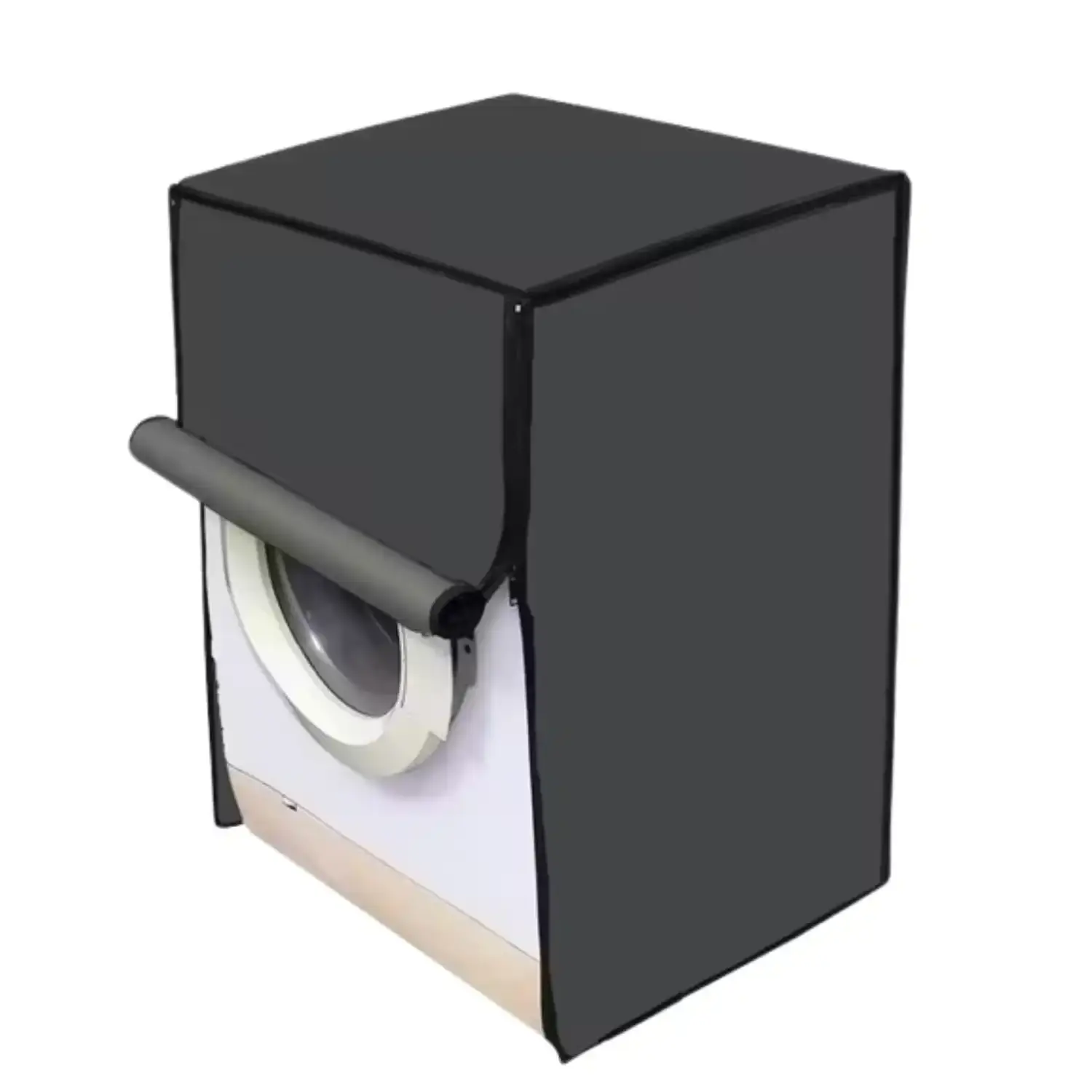
- Washing Machine Covers: If your washing machine is on a balcony, terrace, or semi-open wash area, a waterproof and dustproof cover is non-negotiable. Dust mixed with moisture creates a corrosive layer that deteriorates metal parts.
- Shoe Rack Covers: Open shoe racks near the door collect dust rapidly. Our foldable 4-layer, 5-layer, and 6-layer shoe rack covers shield your entire footwear collection while keeping them organized and accessible through zippered fronts.
- Saree & Garment Storage Covers: Expensive silk, Banarasi, and Kanjivaram sarees need long-term storage that prevents dust without trapping moisture. Non-woven saree covers with transparent windows let you identify contents without opening.
- Fridge Top Covers: The top of your refrigerator is a dust magnet. A fridge cover with side pockets not only prevents dust from settling on the compressor area but also provides extra kitchen storage.
- Microwave & Oven Covers: These small appliances have vents that are especially vulnerable to dust accumulation. A fitted cover keeps the interior and exterior clean between uses.
Room-by-Room Dustproofing Strategy
Rather than buying covers randomly, take a systematic room-by-room approach to maximize protection:
Kitchen
- Fridge top cover with utility pockets
- Microwave and oven covers
- Water purifier cover (if wall-mounted)
- Dining table cover for daily use
Bedroom & Wardrobe
- Saree covers for each set of 10–12 sarees
- Suit covers for blazers and sherwani sets
- Under-bed storage bags for seasonal bedding
Entryway & Balcony
- Shoe rack cover (sized to your rack — 4, 5, or 6 layers)
- Washing machine cover (waterproof for balcony placement)
- AC outdoor unit cover
Living Room
- AC indoor unit cover (for split ACs during off-season)
- TV and monitor dust covers
Seasonal Dustproofing Tips for India
Different seasons bring different dust challenges across India:
| Season | Dust Challenge | Action |
|---|---|---|
| Summer (Mar–Jun) | Hot winds (loo) carry fine sand and soil particles indoors | Cover all appliances; use zippered shoe rack covers; store winter clothes in sealed non-woven bags |
| Monsoon (Jul–Sep) | High humidity causes damp dust to stick and promotes mold growth | Use breathable non-woven covers (avoid plastic); add silica gel sachets inside covers; cover the AC outdoor unit |
| Post-Monsoon (Oct–Nov) | Construction dust peaks as building activity resumes; Diwali fireworks add particulate matter | Deep clean all covers; check and replace worn-out covers before winter storage season begins |
| Winter (Dec–Feb) | Smog and PM2.5 levels rise significantly in North India | Cover idle ACs (both indoor and outdoor units); protect shoes with zippered covers; use saree covers for wedding season wardrobes |
How to Choose the Right Dustproof Cover
Not all covers are equal. Here are the key factors to evaluate before buying:
- Material Quality (GSM): Higher GSM means denser fabric and better dust protection. MEFABZ uses 100 GSM non-woven fabric — the sweet spot between protection and breathability. Avoid covers below 60 GSM as they tear easily.
- Size Compatibility: Always measure your appliance or rack before ordering. A loose cover lets dust in from the edges; a tight one tears under stress. Check the product description for exact dimensions.
- Closure Type: Zippered closures provide the best seal against dust. Drawstring or elastic closures are convenient but offer slightly less protection.
- Waterproofing: For outdoor or semi-outdoor items (balcony washing machines, outdoor AC units), choose PVC or laminated covers that are both dustproof and waterproof.
- Transparency & Accessibility: For storage covers (sarees, shoes), transparent windows or clear panels let you identify contents without opening — reducing unnecessary dust exposure.
Frequently Asked Questions
Can I machine wash non-woven fabric covers?
Most non-woven fabric covers should not be machine washed. Instead, wipe them down with a damp cloth or hand wash gently with mild detergent. Air dry in shade — never wring or tumble dry. For detailed instructions, read our Storage Cover Maintenance Guide.
How often should I clean my dustproof covers?
We recommend wiping down your covers once every 2 weeks during peak dust seasons (summer, post-Diwali), and once a month during monsoon and winter. If you notice visible dust buildup, clean immediately.
Are non-woven covers better than plastic covers?
For most indoor use, yes. Non-woven covers are breathable, preventing moisture buildup and mold. Plastic or PVC covers are better for outdoor or semi-outdoor use (balcony, terrace) where waterproofing is essential.
Do dustproof covers protect against insects and cockroaches?
Zippered covers (like our shoe rack covers and saree covers) create a near-complete seal that keeps insects out. Open-bottom covers only protect against dust and light moisture.
What GSM is best for dustproof covers?
80–100 GSM non-woven fabric is ideal. Below 60 GSM, the fabric is too thin and tears easily. Above 120 GSM, it becomes less breathable. MEFABZ uses 100 GSM for the optimal balance of durability and breathability.
Recommended Dustproof Solutions


Related Guides
Shoe Rack Cover Guide
How to measure, choose, and maintain the perfect shoe rack cover
Fridge Cover Buying Guide
Pick the right fridge cover for protection and kitchen aesthetics
Storage Cover Maintenance Tips
Clean and maintain your covers for maximum durability
Home Organization Ideas
Smart ideas to keep every room tidy and organized