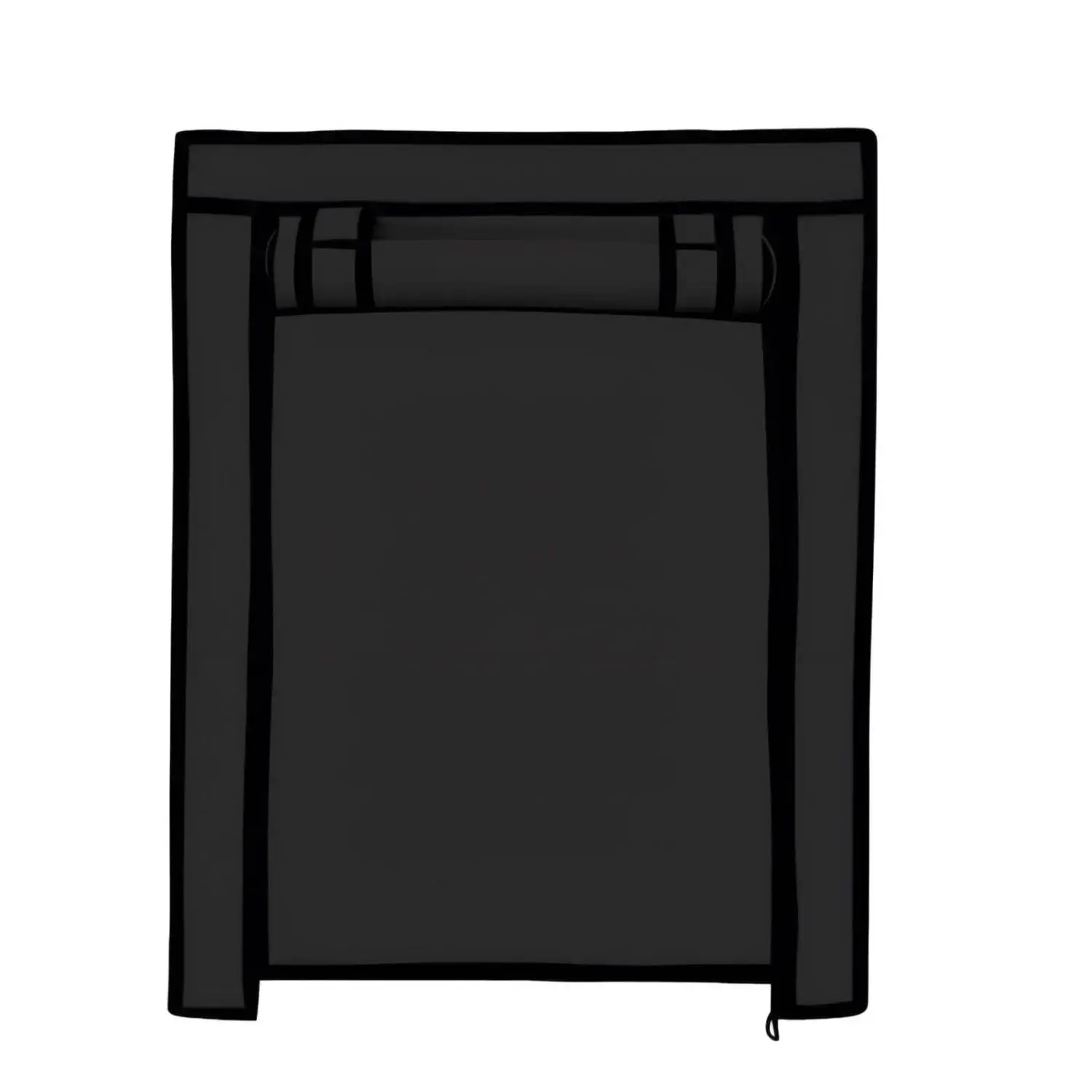
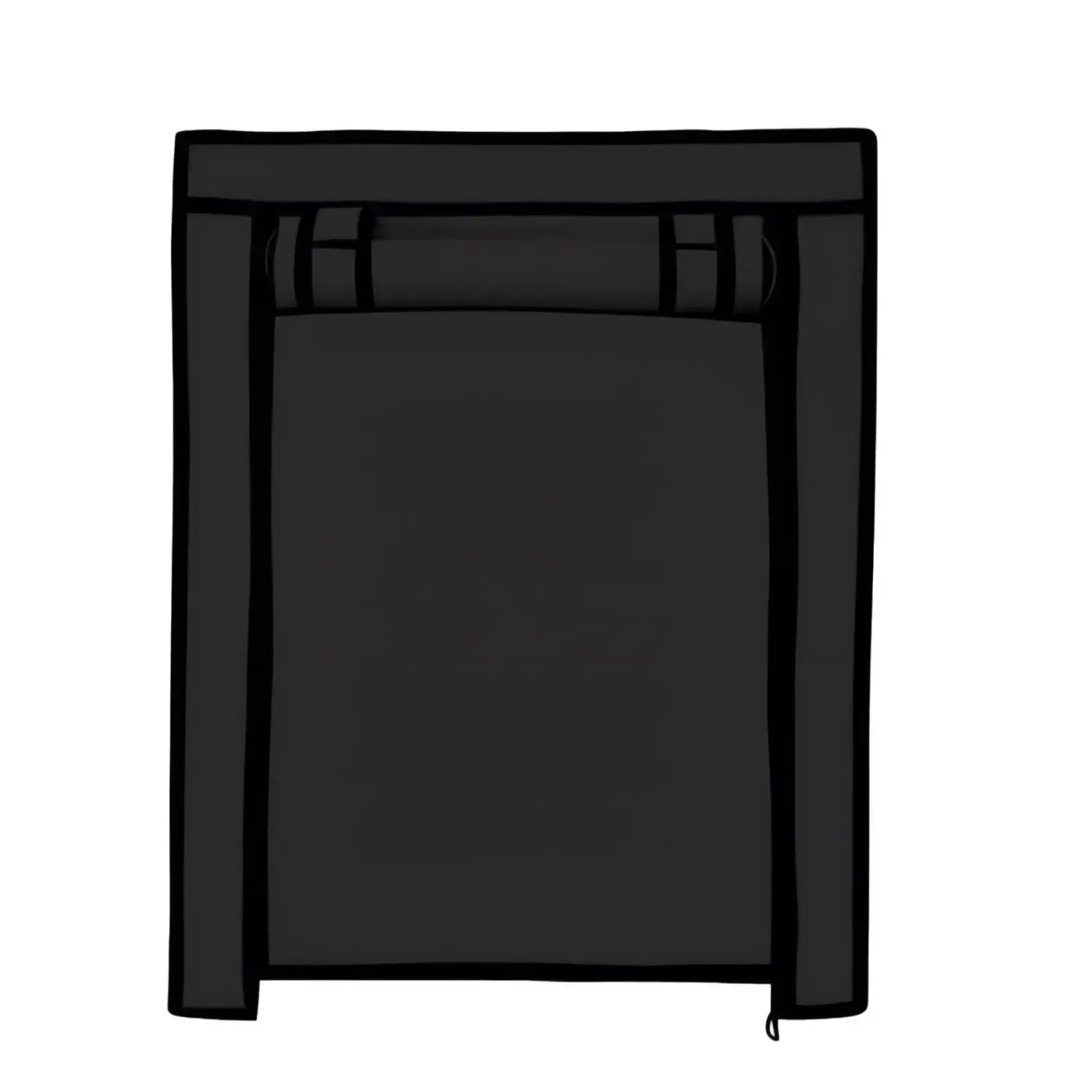
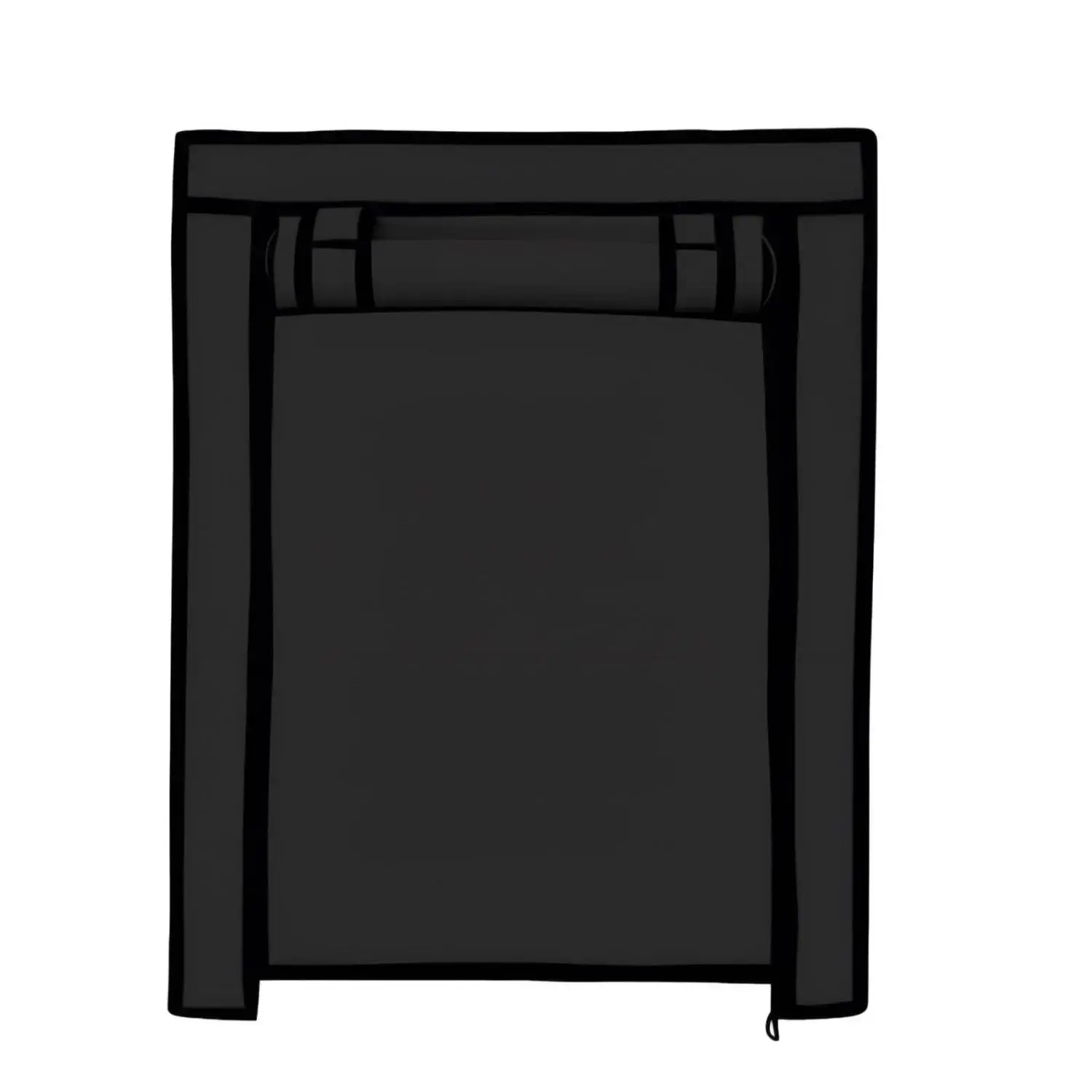
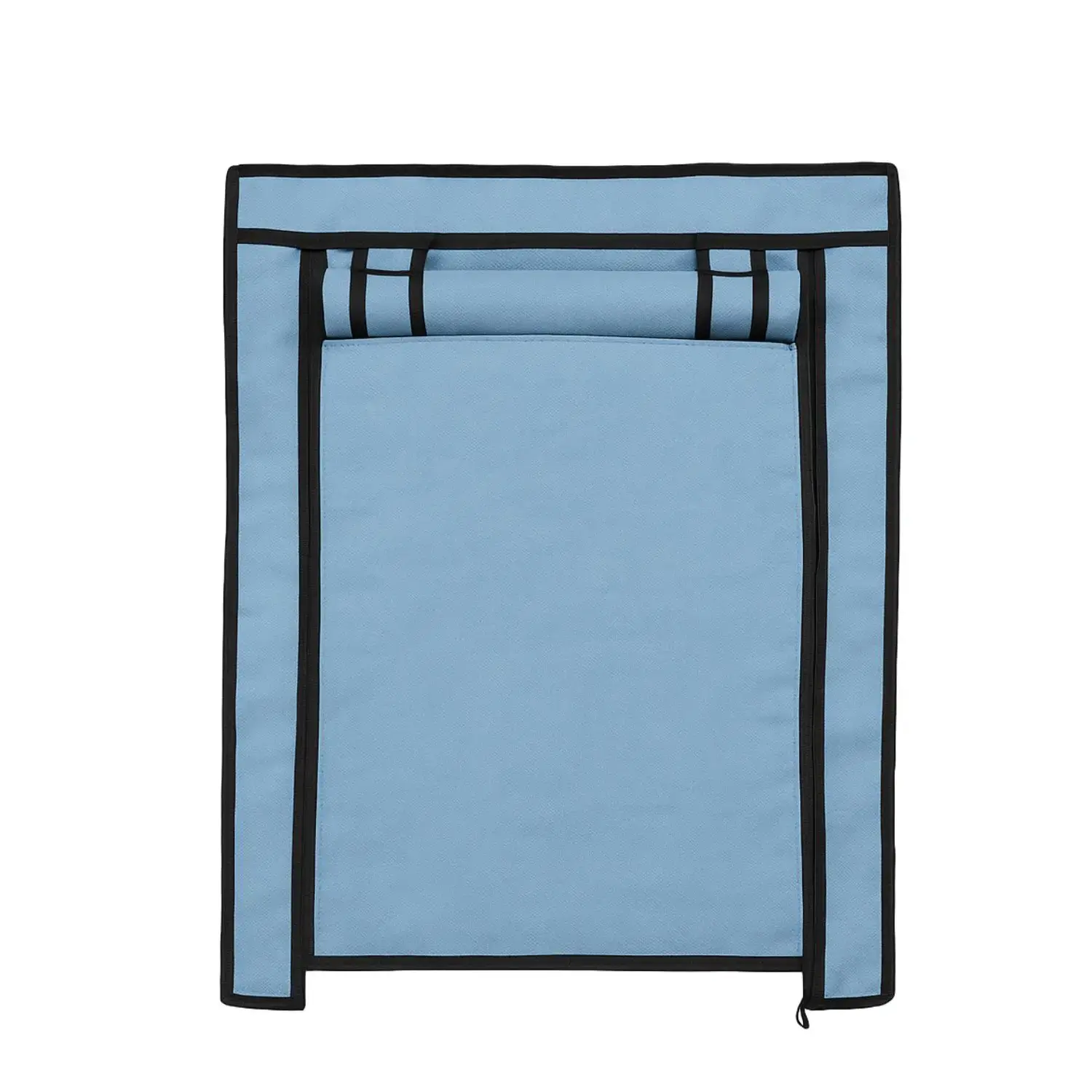
The Ultimate Shoe Rack Cover Guide: Choose, Measure & Maintain
Your footwear collection deserves better than sitting out in the open, gathering dust and losing its shape. A shoe rack cover is one of the simplest yet most effective home organization upgrades you can make. This comprehensive guide covers everything — from why you need one, to how to measure your rack, to choosing between 4-layer and 6-layer options.
Why Do You Need a Shoe Rack Cover?
Shoes left out on an open rack are exposed to dust, moisture, insects, and potential damage from pets or children. A high-quality shoe rack cover acts as a protective shield, keeping your footwear clean, organized, and ready to wear.
Keeps your shoes dust-free, especially important near entryways and balconies where dust settles fastest. No more wiping shoes before every outing.
Breathable non-woven fabric allows air circulation, preventing moisture buildup that causes bad odours. Unlike sealed plastic covers, your shoes stay fresh.
Zippered covers prevent cockroaches, spiders, and silverfish from nesting in your shoes — a common problem in Indian homes, especially during monsoon.
Conceals a messy shoe rack and gives your entryway a neat, organized look. Available in multiple colours to match your home decor.
Types of Shoe Rack Covers: 4-Layer vs 5-Layer vs 6-Layer
Shoe rack covers come in different sizes based on the number of layers (tiers) on your rack. Choosing the right one depends on your rack's height and capacity:
| Cover Type | Best For | Shoe Capacity | Typical Height | Ideal For |
|---|---|---|---|---|
| 4-Layer Cover | 4-tier racks | 12–16 pairs | ~60 cm | Small families, compact spaces, PG rooms |
| 5-Layer Cover | 5-tier racks | 15–20 pairs | ~75 cm | Medium families, couples |
| 6-Layer Cover | 6-tier racks | 18–24 pairs | ~90 cm | Large families, shoe collectors, entryways |
Important: The “layer” count refers to the number of tiers on your rack, not the number of shelves in the cover. A 4-layer cover fits a 4-tier rack. Always count your rack's tiers before ordering.
How to Measure Your Shoe Rack for a Perfect Fit
Getting the right fit is crucial. A cover that's too tight will tear at the seams; one that's too loose will sag and let dust in from gaps.
Step-by-Step Measuring Guide
- Measure the Length (L): Using a measuring tape, measure across the front of the rack from the leftmost edge to the rightmost edge. This is typically the longest dimension.
- Measure the Depth / Breadth (B): Measure from the front edge of the rack to the back edge. This tells you how deep the cover needs to be.
- Measure the Height (H): Measure from the bottom of the lowest tier to the top of the highest tier. If the rack has a top shelf, measure to the top of it.
- Add a Buffer: Add 1–2 cm to each dimension. This ensures the cover fits comfortably without being stretched tight, which causes premature tearing.
Pro Tip: If your shoe rack has wheels or casters at the bottom, measure from the floor to the top of the rack (including wheels). Some covers are designed to sit above the wheels, while others enclose the entire rack.
Materials: Which is Best for You?
The material determines durability, breathability, and protection level. Here's a comparison:
| Material | Breathability | Dust Protection | Water Resistance | Price Range |
|---|---|---|---|---|
| Non-Woven (100 GSM) | ★★★★★ | ★★★★☆ | ★★☆☆☆ | ₹200–₹500 |
| Canvas / Cotton | ★★★★☆ | ★★★★★ | ★★☆☆☆ | ₹400–₹800 |
| PVC / Plastic | ★☆☆☆☆ | ★★★★★ | ★★★★★ | ₹300–₹600 |
| Oxford Fabric | ★★★☆☆ | ★★★★★ | ★★★★☆ | ₹500–₹1000 |
Our recommendation: For most Indian homes, non-woven fabric (100 GSM) offers the best balance of breathability, dust protection, and value. PVC covers are better if your rack is on a balcony or outdoor area where waterproofing is needed — but they trap moisture, which can cause odours and mold on shoes.
Key Features to Look For
Not all shoe rack covers are equal. Here are the features that separate good covers from great ones:
- Zippered Front Opening: A full-length zipper on the front allows you to access any tier easily without removing the entire cover. Double zippers (top-down and bottom-up) are even more convenient.
- Reinforced Stitching: The zipper area and bottom edges receive the most stress. Look for double-stitched seams in these areas to prevent tearing.
- Transparent Window / Peep Panel: Some covers include a clear panel so you can see your shoes without opening the cover. This reduces dust exposure from frequent opening.
- Velcro or Tie Closures at the Back: These keep the cover snug against the back of the rack, preventing dust from entering through gaps.
- Colour Options: Neutral colours (grey, beige, navy) look cleaner for longer and match most home interiors. Dark colours hide dirt better than light ones.
Best Placement for Your Shoe Rack
Where you place your shoe rack affects how much protection the cover needs to provide:
- Indoor (near entrance): Standard non-woven cover is sufficient. Focus on dust protection and aesthetics.
- Balcony or semi-outdoor: Use a waterproof PVC or Oxford fabric cover. Ensure the cover has weighted or tied bottom edges so wind doesn't lift it.
- Inside a cupboard / wardrobe: A lightweight non-woven cover protects against dust that enters when doors are opened. Breathability is crucial here to prevent musty odours.
- Near a bathroom or kitchen: High-humidity areas — choose a cover with mold-resistant properties or add silica gel sachets inside.
Maintenance & Care Tips
MEFABZ non-woven fabric covers are designed for durability, but proper care will significantly extend their life:
- Weekly: Shake off or brush away surface dust. This takes 30 seconds and prevents dust from settling into the fabric.
- Bi-weekly: Wipe down with a slightly damp cloth (not dripping wet) to remove any stubborn spots.
- Monthly: Remove the cover from the rack. Wipe the rack itself to remove dust that may have settled on the tiers. Air out the cover in shade for a few hours.
- Do NOT machine wash: Non-woven fabric is not machine washable. Aggressive washing will damage the fibers and weaken the fabric structure.
- Avoid harsh chemicals: Do not use bleach, acetone, or abrasive cleaners. A mild detergent diluted in water is sufficient for spot cleaning.
- Keep away from sharp objects: Non-woven fabric can snag and tear if rubbed against sharp edges or hooks.
- Avoid prolonged direct sunlight: UV exposure fades colours and weakens the fabric. If your rack is near a window, reposition it or use curtains.
For more detailed care instructions for all cover types, see our Storage Cover Maintenance Tips guide.
Frequently Asked Questions
How do I know which layer cover to buy for my shoe rack?
Count the number of horizontal tiers (shelves) on your shoe rack. A rack with 4 shelves needs a 4-layer cover. If unsure, measure the height and compare it with the dimensions listed on the product page.
Will a shoe rack cover make my shoes smell?
Not if you use a breathable non-woven fabric cover. Unlike plastic or PVC covers, non-woven fabric allows air to circulate while blocking dust. For extra freshness, you can place a sachet of baking soda or activated charcoal inside the rack.
Can I use a shoe rack cover for a metal and a wooden rack?
Yes, shoe rack covers are designed to fit standard-sized racks regardless of the material. Just ensure the dimensions match. Metal racks often have slightly different spacing, so measure carefully.
My rack is a non-standard size. Can I get a custom cover?
MEFABZ covers are designed to fit the most popular rack sizes in India. If your rack is a non-standard size, contact us with your measurements and we'll help you find the best option.
How long does a non-woven shoe rack cover last?
With proper care (no machine washing, no harsh chemicals, keeping away from sharp objects), a quality 100 GSM non-woven cover lasts 1.5–2 years. Covers exposed to outdoor elements may need replacement sooner.
Do shoe rack covers protect against cockroaches?
Zippered shoe rack covers significantly reduce insect access. While they're not 100% insect-proof (tiny gaps exist at the zipper ends), they are far more effective than leaving shoes on an open rack. For additional protection, place neem leaves or insect repellent sachets inside the rack.